
A Beginner's Guide to Laying Gravel Garden Paths
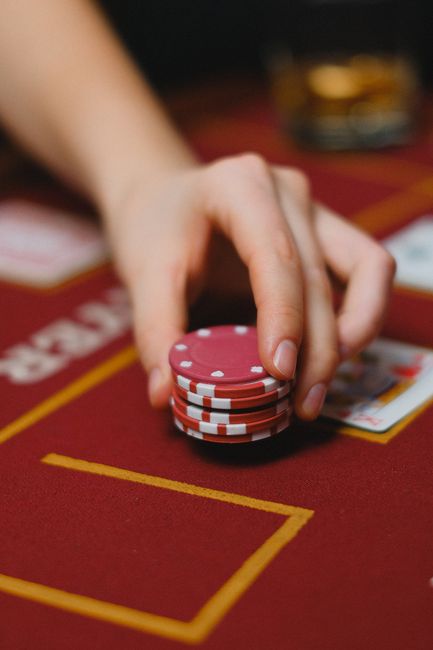
Let's cut through the noise. If you've ever dropped $20 into an online slot at 2 a.m., debated whether to call a river bet in a micro-stakes poker room, or wondered why your favorite streamer's bonus code never seems to work the same way twice, you already know the iGaming world is equal parts thrill and trap. The industry pulled in over $100 billion globally last year, and it's growing faster than regulators can write new rules. But here's the thing almost nobody tells you: the difference between a fun hobby and a money pit comes down to a handful of decisions you make before you ever click "spin" or "deal."
This isn't another listicle promising secret hacks. It's a grounded look at how slots, poker, and sports betting actually work under the hood, plus a few habits that separate players who enjoy themselves from players who burn out. Take a look at kingfun.gb.net for a fuller picture.
Why Modern Slots Are Engineered to Keep You Spinning
Take a standard five-reel video slot with 243 ways to win. The math behind it is brutal in its elegance. Every spin is an independent event, and the return-to-player (RTP) figure, usually somewhere between 94% and 97% on reputable titles, tells you what you'd theoretically get back over millions of spins, not what you'll see in an hour. A 96% RTP slot quietly keeps 4 cents of every dollar wagered on average. Play 500 spins at $1 each and you're statistically down $20 before volatility even enters the picture.
That said, not all slots are created equal. High-volatility machines like Money Train or San Quentin can pay 50,000x your stake, but you might go 300 spins without a meaningful hit. Low-volatility options like Starburst or Blood Suckers pay small and often. Your bankroll's lifespan depends entirely on which type you choose.
- Check the RTP in the game's info panel before you play. Anything below 95% is a hard pass for most players.
- Set a spin limit, not just a money limit. 100 spins, then you stop and reassess.
- Ignore "hot" and "cold" machine myths. Each spin is random; the reels don't remember your last loss.
- Use bonus features but read the wagering requirements. A 40x playthrough on a $100 bonus means you need to wager $4,000 before withdrawing a cent.
Poker Is the Only Game Where You Beat Players, Not the House
Here's a truth that changes everything: in poker, the casino takes a rake and walks away. You're not fighting the house, you're fighting the other people at the table. That means skill matters, and it compounds over time. A solid player at a $0.50/$1 no-limit hold'em table can realistically grind a 5 BB/100 win rate, or about $5 per 100 hands. Sounds small until you realize that's over $15 an hour across four tables, and it scales.
But most beginners lose because they play too many hands. If you're seeing the flop with 40% of your starting hands, you're bleeding chips. Tight-aggressive poker, where you play maybe 18-22% of hands but bet them hard, is boring and profitable. Fancy play syndrome is the enemy.
A Quick Starting Hand Framework
- From early position, only open with premium hands: pairs 77+, AQ suited or better, AK offsuit.
- From the button, widen up. You can profitably raise with suited connectors like 76s, weak aces, and any pair.
- In the big blind facing a raise, defend with hands that flop well: suited gappers, small pairs, and broadway offsuit hands.
- Fold junk. A 72 offsuit saved is a big blind earned.
Track your results. Sites like PokerTracker or free alternatives like DriveHUD give you hard numbers on your win rate, and the data will humble you fast. Most losing players think they're break-even; the graph says otherwise.
Sports Betting: Where Line Shopping Saves You Real Money
Let's talk about the elephant in the room: the vig, or juice. A standard -110 line on both sides of an NFL game means you need to win 52.4% of your bets just to break even. That's a razor-thin margin. But if you shop across three or four sportsbooks, you can often find -105 on one side and +105 on the other, which drops your break-even to about 50%. Over 500 bets, that 2.4% edge is the difference between losing $200 and winning $100.
Same logic applies to prop bets and live markets. WNBA totals, tennis game spreads, and soccer corner counts are often mispriced because the books don't invest as much in modeling them. The smartest bettors I know spend more time line shopping than they do handicapping. They have accounts at five books, they use odds comparison tools, and they treat every cent of value as a win.
Bankroll Management: The Boring Rule That Saves Everyone
If you take one thing from this article, make it this: never bet more than 2% of your total bankroll on a single outcome. With a $500 bankroll, your max bet is $10. That gives you enough cushion to survive the inevitable downswings. A 10-buy-in losing streak in poker or a 20-spin dry spell in slots is completely normal, not a sign that the site is rigged.
Separate your gambling money from your rent money. Use a prepaid card or a dedicated e-wallet. When the bankroll hits zero, you stop until you reload from discretionary income. Sounds obvious, but casino deposit data shows the average player reloads within 48 hours of busting, often doubling their previous deposit out of frustration. That's tilt, and tilt is expensive.
The Bottom Line on Playing Smart
iGaming isn't going anywhere, and done right, it's genuinely entertaining. Slots offer a cheap escape, poker gives you a puzzle to solve against real people, and sports betting adds skin to the games you already watch. But none of it is a path to easy money. The house edge is baked in, the variance is real, and the only guaranteed winners are the operators and the affiliates who sold you the bonus code.
So play like an adult with a plan. Choose games with transparent math, track your results, keep your bets small, and walk away when it stops being fun. The players who last five years aren't the ones chasing jackpots. They're the ones who treat iGaming like what it is: a paid hobby with occasional upside if you're patient and disciplined. Do that, and you'll enjoy the ride a whole lot more than the guy who just maxed out his credit card on a 97% RTP slot at 3 a.m.
LEAVE A COMMENT