
A Beginner's Guide to Laying Gravel Garden Paths
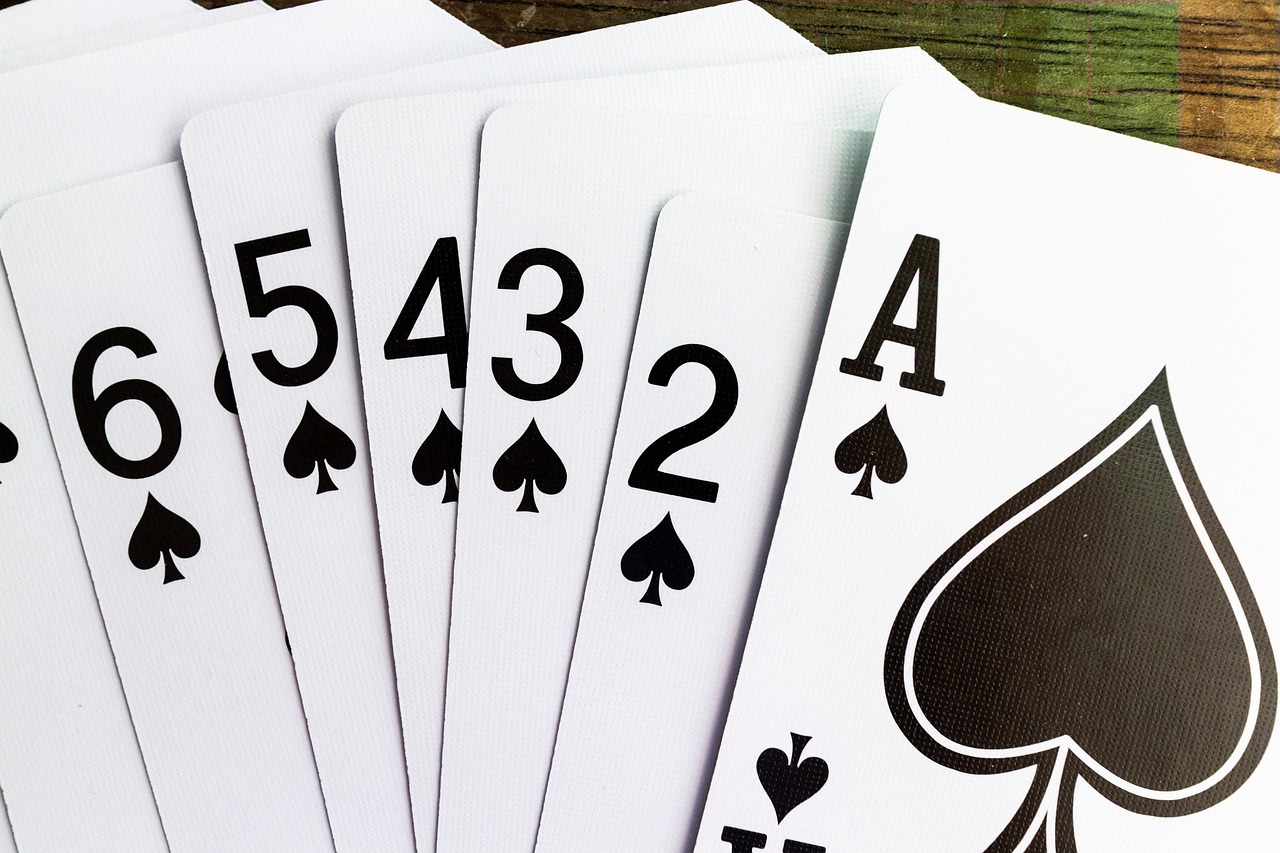
Every casino floor has a story to tell, and most of them start with someone convinced they've cracked the code. The truth is messier—and more interesting—than the tired "house always wins" cliché. Understanding how iGaming actually works, from the math behind the slots to the psychology of a poker table, won't guarantee you a payout. But it will stop you from being the guy who empties his wallet because he "felt" a machine was due.
Let's cut through the hype and look at what's really going on when you log into an online casino, spin a reel, or sit down at a virtual felt.
The Math Behind the Machine: RTP, House Edge, and Why They Matter
Every casino game is built on a simple principle: the operator takes a small slice of every bet over time. That slice is the house edge, and it's the only number that truly matters when you're deciding where to play.
Take European roulette. One green zero on a 37-number wheel gives the house a 2.7% edge. American roulette adds a second zero, and that edge jumps to 5.26%. Same game, same spinning ball, nearly double the bleed. Slots work differently but follow the same logic. A slot with a 96% RTP returns 96 cents per dollar wagered over millions of spins. A 92% RTP slot keeps eight cents. Over a single session you might not notice the difference. Over a year of casual play, it's the difference between a hobby and a slow leak.
Here's the uncomfortable part: RTP is a long-run average, not a promise. You can hit a 92% RTP machine and walk away up 400%. You can play a 96% RTP machine and lose every spin for an hour. The math doesn't care about your session. It only cares about the aggregate.
- Blackjack (basic strategy): house edge as low as 0.5%
- Baccarat (banker bet): around 1.06%
- European roulette: 2.7%
- Slots: typically 2% to 10%, depending on the game and jurisdiction
- Keno: often 25% or higher
If you care about longevity, these numbers should guide where you spend your time. If you care about entertainment, ignore them. Just don't pretend you're beating them.
Slots: Volatility Is the Real Story
RTP gets all the attention, but volatility is what actually shapes your experience. A low-volatility slot pays small amounts frequently. A high-volatility slot can go hundreds of spins without a meaningful hit, then deliver a massive payout in one go.
This is why two players can have completely different opinions about the same game. One person's "dead machine" is another person's "about to pop." The machine doesn't know or care which player is watching.
A few practical points for slot players:
- Check the RTP before you spin. Most regulated casinos publish it in the game's info panel. A 2% difference compounds fast.
- Match volatility to your bankroll. If you're playing with $50, a low-volatility slot will entertain you longer than a high-volatility one that eats your balance in ten minutes.
- Ignore "due" theories. Every spin is independent on a random number generator. A machine that hasn't paid in an hour is no more likely to pay now than it was an hour ago.
- Use bonuses with realistic wagering requirements. A 100% match with 40x wagering on slots is far more useful than a 20% match with 10x wagering on blackjack only.
Megaways and cluster-pays games have made volatility more extreme in recent years. Some titles now offer maximum wins of 50,000x your stake. That's thrilling and also a reminder that the base game is often brutal. Know what you're signing up for.
Poker: The One Game Where Skill Actually Changes the Math
Poker is the exception in the iGaming world. Against the house, you're always the underdog. Against other players, you can genuinely be the favorite if you're better than them.
The rake—the casino's cut of each pot—is the only guaranteed winner at a poker table. Everything else is a zero-sum battle between players. That means your long-term result depends on your decisions, not the dealer's.
Three things separate winning players from the rest: You can read more about it on v88.ru.com.
- Position awareness. Acting last gives you more information. It's the single most exploitable edge in no-limit hold'em.
- Bankroll management. Serious players keep 20 to 50 buy-ins for the stakes they play. If you're taking shots with 5 buy-ins, you're gambling on variance, not skill.
- Game selection. A mediocre player at a soft table beats a great player at a tough one. Find the fish before you sit down.
Online poker also moves faster than live. You'll see more hands per hour, which means more decisions and more chances to make mistakes. Tracking software and hand histories aren't cheating—they're how modern players study. If you're not reviewing your sessions, you're leaving money on the table.
Bonuses, Betting Limits, and the Fine Print Nobody Reads
Welcome bonuses are marketing, not charity. The headline number rarely tells the full story. What matters is the wagering requirement, the game weighting, the maximum bet per hand, and the time limit.
A $500 bonus with 50x wagering requires $25,000 in bets before you can withdraw. On slots, that's plausible over time. On roulette, where only 20% of your bets count, it's nearly impossible. Read the terms. Compare the effective value, not the headline figure.
On the sports betting side, line shopping is the easiest edge available to recreational players. The same NFL game might be -110 at one book and -105 at another. Over a season of bets, that difference is meaningful. Odds comparison sites exist for a reason. Use them.
Also, watch for "virtual" or "instant" games in the casino lobby. They look like slots but often carry much higher house edges—sometimes 15% or more. They're engineered for quick churn and short attention spans.
Responsible Play Is Not a Buzzword
The people who last in iGaming are the ones who treat it as entertainment with a cost, not an investment with a return. Set a deposit limit before you open an account. Decide in advance what a session is worth to you, and stop when it's gone.
The industry has gotten better at this. Regulated operators now offer self-exclusion tools, session timers, and reality checks. Use them. They're not there to ruin your fun; they're there to make sure the fun doesn't turn into something else.
If you're chasing losses, you're not playing anymore. You're working for the house.
Final Thoughts: Play the Long Game, or Don't Play at All
The smartest iGaming players aren't the ones with secret systems. They're the ones who understand that every game has a price and every session is a transaction. Slots charge you for entertainment. Poker charges you for the chance to outplay opponents. Sports betting charges you a vig for the privilege of being right or wrong.
Pick games where the price is fair, the entertainment is real, and the money you're risking is money you can afford to lose. That's not a strategy. It's just adulthood applied to a hobby full of people pretending the math doesn't apply to them.
The house edge is real. So is the value of knowing exactly what you're paying for it.
LEAVE A COMMENT