
A Beginner's Guide to Laying Gravel Garden Paths
Ask ten recreational players why they lose at casino games and you'll hear the same tired answer: bad luck. Ask a pro and you'll get a much less romantic reply — the math. Every wager you place, whether it's a spin on a slot, a hand of blackjack, or a football accumulator, is priced. Once you understand that pricing, you stop playing against the casino and start playing against your own discipline. That shift in perspective is worth more than any hot streak.
The Number That Actually Matters: House Edge vs. Volatility
New players obsess over payout tables. Experienced players obsess over two quieter figures: house edge and volatility. House edge is the casino's built-in margin over the long run. Volatility (or variance) is how wildly your bankroll swings on the way there.
These are not the same thing, and confusing them is expensive. Consider a few concrete examples:
- Blackjack (basic strategy): roughly 0.5% house edge — one of the cheapest bets in the building, if you play correctly.
- Baccarat (banker bet): about 1.06% edge, with almost no decisions to make.
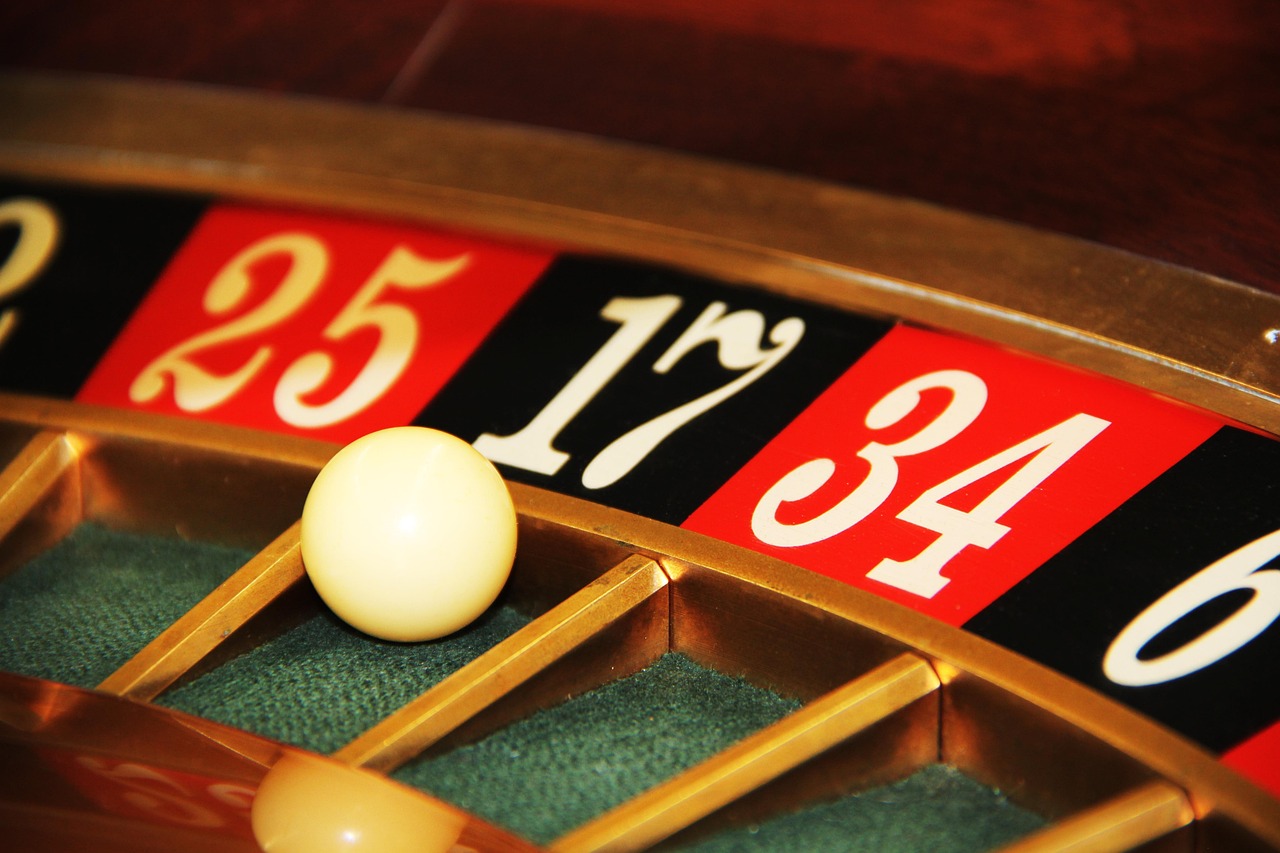
- European roulette: 2.7% edge. American roulette, with its extra double-zero, jumps to 5.26%.
- Three-reel classic slots: often 2–5% edge, but with high volatility.
- Modern video slots: frequently 4–8% edge, sometimes higher on jackpot-linked titles.
Notice something? The slot with the biggest headline jackpot is often the worst-priced bet in the room. That's not a conspiracy — it's the trade-off for entertainment and the chance at a life-changing score. Your job is to decide consciously which trade-off you want, rather than drifting into it.
Why "I'm Due" Is the Most Expensive Sentence in Gambling
Slots don't have memory. A machine that hasn't paid out in three hours is no more likely to hit than one that just paid. Each spin is an independent event driven by a random number generator (RNG). The same applies to roulette wheels and dice. This is called the gambler's fallacy, and it's the single biggest leak in most recreational players' games.
Here's the flip side, and it's important: hot streaks aren't real either. A player on a heater isn't "in tune" with the machine. They're just on the right side of variance for a while. The players who survive long-term are the ones who treat every session as fresh, set a budget before they sit down, and walk away when that budget is gone — regardless of how the night is going. Further details are available through Kèo nhà cái.
A Practical Framework for Bankroll Management
Bankroll management is the unsexy skill that separates people who gamble for fun from people who gamble themselves into trouble. The principles are simple, but they require honesty about your own psychology.
- Separate gambling money from living money. If losing it would affect rent, groceries, or savings, it shouldn't be on the table.
- Size your session, not just your bankroll. A common rule: no more than 5% of your total gambling bankroll in a single session.
- Match stakes to volatility. High-variance slots need a bigger cushion. A €100 bankroll on a high-volatility slot at €1 per spin can vanish in minutes.
- Set a stop-loss and a stop-win. Yes, a stop-win. Leaving up 40% is a skill most people never learn.
- Track it. A simple spreadsheet beats memory every time. After a month, you'll know your real win rate — and it won't be what you remember.
None of this is glamorous. It is, however, the difference between a hobby and a hemorrhage.
Poker: The One Game Where You Can Actually Win
Poker is the exception in the iGaming world because you're not playing against the house — you're playing against other people. The rake is the house's cut, and it's real, but a skilled player can genuinely show a long-term profit. That's why poker attracts a different kind of player.
If you're serious about poker, three things matter more than anything else:
- Position. Acting last gives you information. It's the closest thing to a superpower in the game.
- Bankroll separate from life. The standard rule for cash games is 20–40 buy-ins for the stake you're playing. Tournament players need 50–100 buy-ins because of the variance.
- Study, don't just play. Watching a two-hour training video often improves your win rate more than a four-hour session of autopilot grinding.
Online poker also gives you tools live play doesn't: HUDs (where permitted), hand histories, and the ability to review every decision. Use them. The players who climb the stakes are the ones who treat it like a craft.
Bonuses, Free Spins, and the Fine Print You Skip
Welcome bonuses are marketing, not charity. They can be useful, but only if you read the terms. Two numbers matter more than the headline figure:
- Wagering requirement: how many times you must bet the bonus before withdrawing. 35x is common; 60x is punishing.
- Game contribution: slots usually count 100% toward wagering, table games often 10–20%, and some games don't count at all.
A €100 bonus with a 40x wagering requirement means you need to place €4,000 in bets before you can cash out. On a 5% edge game, your expected loss on that volume is around €200 — more than the bonus itself. That doesn't make bonuses worthless, but it does mean the smart play is to compare them the way you'd compare interest rates, not lottery tickets.
The Long Game Is the Only Game
Here's the honest truth that most iGaming content avoids: the house edge is not something you beat, it's something you manage. Over enough spins, hands, and matches, the math always wins. That's not a reason to walk away — it's a reason to walk in with your eyes open.
The players who enjoy this world the longest are the ones who decide in advance what they're willing to spend, treat that spending as the price of entertainment, and stop the moment it stops being fun. They use bonuses intelligently, they avoid the gambler's fallacy, they understand volatility, and if they play poker, they respect it as a skill game that demands study.
Do that, and you'll get something more valuable than a jackpot: you'll get to play again next week, next month, and next year — on your terms. The house edge was never the enemy. Indiscipline was.
LEAVE A COMMENT