
Autumn Jobs for a Tidy and Productive Garden
Why a Mini Meadow Beats a Plain Patch of Grass
A strip of tired lawn that never quite thickens up can become one of the loveliest corners of a British garden. Sow it with native wildflowers, stop cutting it every weekend, and within a season you have a shifting tapestry of ox-eye daisies, knapweed and yellow rattle that bees, butterflies and hoverflies will find within days. You do not need an acre, or a meadow in the countryside sense. A sunny patch of four to ten square metres is plenty to make a real difference.
The trick is to work with what you already have rather than fighting it. Most garden lawns sit on soil that is far too rich and fertile for wildflowers, which is why the grass always wins. The single most important thing you can do is to reduce that fertility, and the simplest way to do it is to cut and remove the clippings for a few seasons.
Choosing the Right Spot
Wildflowers are sun worshippers. Pick the brightest, most open area you have, ideally getting six hours or more of direct light a day. South or west facing is ideal, though an east facing patch that catches the morning sun will still work well.
Look out for the following:
- Drainage matters. Most native wildflowers loathe sitting wet in winter. A gently sloping spot or a raised bed is better than a hollow where water pools.
- Avoid the shade of trees and hedges. Even a dappled canopy will thin out flowering dramatically.
- Keep clear of vigorous invaders. Couch grass, bindweed and ground elder will smother seedlings before they establish.
- Consider footfall. If the patch is on the route to the shed or the washing line, either move it or lay a simple stepping stone path through it.
A corner that is awkward to mow, beside a fence or around a fruit tree, is often the perfect candidate. You are turning a nuisance into a feature.
Preparing the Ground Properly
This is the stage most people rush, and it is the stage that decides whether you get a meadow or a slightly scruffy lawn. Wildflower seed needs bare soil and little competition. Begin in late summer or early autumn for sowing the following spring, or start in spring for an autumn sowing.
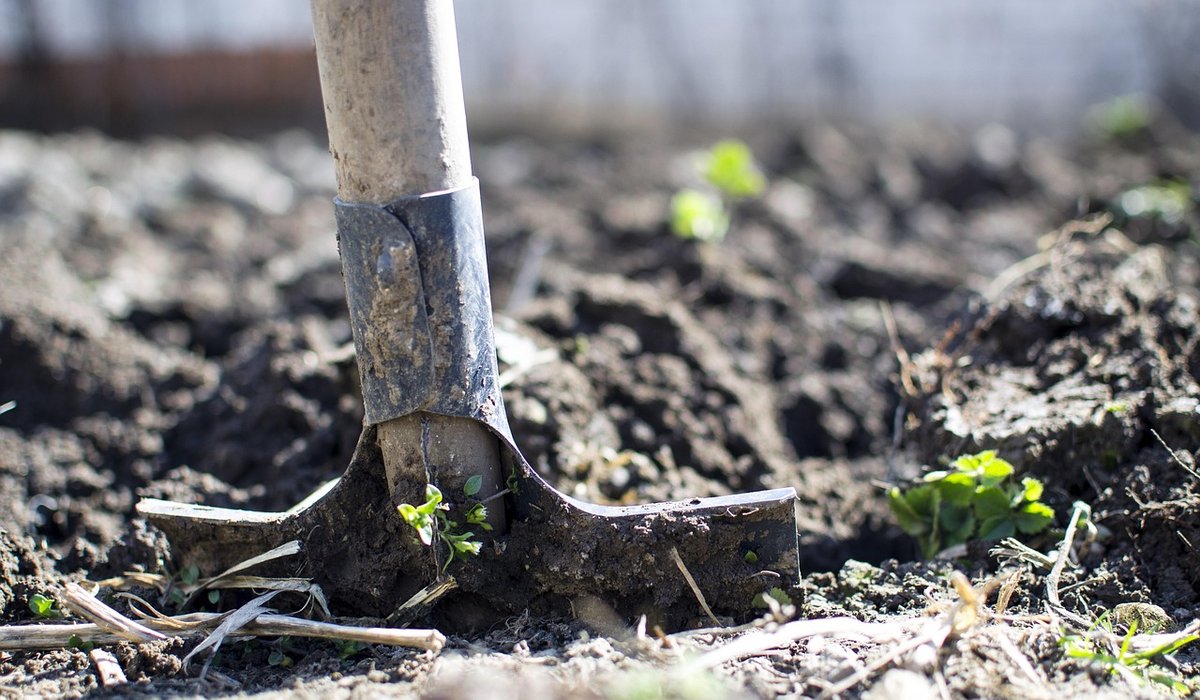
First, cut the grass as short as your mower will allow and rake off the clippings. Then strip the turf. You can lift it in spadefuls, skimming just under the roots, or smother it with a thick layer of cardboard or black polythene weighted down for six to eight weeks. The smothering method is less back-breaking and kills off most of what is underneath.
Once the ground is clear, fork it over to about 15cm deep and remove any roots you find. Do not add compost, manure or fertiliser. Resist the urge. Rich soil grows lush grass and floppy, short-lived flowers. You want poor, hungry ground.
Let the bed sit for two or three weeks and hoe off any weeds that germinate. This stale seedbed approach saves hours of weeding later.
Sowing Native Seed
Buy a seed mix suited to your soil type, and check that it is genuinely native and UK-sourced. Look for mixes described as suitable for chalk, clay or loam, and for either a spring or autumn sowing. A typical low-growing meadow mix for a small garden includes ox-eye daisy, bird's-foot trefoil, selfheal, yarrow, field scabious, knapweed and a little yellow rattle.
Yellow rattle deserves a special mention. It is semi-parasitic on grass, weakening it and opening up space for flowers. If your mix does not include it, consider adding some, as it is the single best ally a new meadow has.
The sowing rate is much lower than you would expect. Around 1 to 2 grams per square metre is typical. Mix the seed with dry sand or fine compost at roughly ten parts sand to one part seed. This bulks it out so you can see where you have been and spread it evenly.
Sow in a calm moment, broadcasting half the mix walking one way across the patch and half walking at right angles. Then tread the seed in gently, or roll it. You want good seed-to-soil contact, not burial. A light rake afterwards is fine, but do not cover the seed deeply. Water gently if the weather turns dry.
The First Year: Cutting, Not Admiring
This is the part that surprises people. In the first year, you should not let the meadow flower. Instead, cut it regularly, roughly every four to six weeks, down to about 5cm, and remove all the clippings. Treat it almost like a lawn.
Why? Because the young plants are putting energy into roots, and letting them flower too soon weakens them. Regular cutting also keeps annual weeds in check and stops grass from gaining the upper hand. It feels counterintuitive, but it pays off handsomely in year two.
Weed diligently. Pull or hoe out thistles, docks and nettles before they seed. By autumn, your patch should look like a thin, slightly patchy green sward with the odd flower. That is exactly right.
Managing the Meadow Year After Year
From the second year, relax and let it grow. Stop mowing in spring and let the plants come up. The flowers will peak between June and August, with knapweed and scabious often continuing into September.
The annual rhythm is simple:
- Cut once in late summer, ideally in late August or early September, after the flowers have set seed.
- Leave the cuttings lying for a few days so seed drops back into the sward, then rake them up and remove them. This is how you keep fertility low.
- Cut again in autumn if growth is strong, keeping it short through winter.
- Start mowing again in early spring with a short cut, then leave it be.
Remove clippings every single time. This one habit, more than any other, keeps a mini meadow thriving rather than reverting to coarse grass.
If the patch gradually loses its flowers, scarify lightly in autumn, rake small bare patches and top up with fresh seed. A little intervention every couple of years keeps the balance tipped in favour of the flowers.
Sit back in July with a cup of tea and watch the bees work. Few garden projects give so much back for so little effort.
LEAVE A COMMENT